Halifax Resolves

The 250th Anniversary of the Halifax Resolves

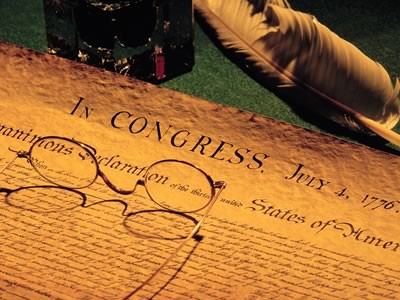
In the North Carolina State Capitol building, there is a plaque that states that the Fourth Provincial Congress was to “concur with the delegates of other Colonies in declaring independency.” John Adams sent his “Thoughts on Government” (recommending “republican principles”) in letter form to both William Hooper and John Penn, delegates from North Carolina who,…

Dorchester Heights Monument

250th Commemoration of Evacuation Day

March 17 is well known to most Americans as St. Patrick’s Day. While this is an important day that commemorates some of the deepest Christian roots in our nation, another event took place on the same day in 1776 that helped set the stage for independence. This drama included the fortification of Dorchester Heights. A…

Fort Ticonderoga

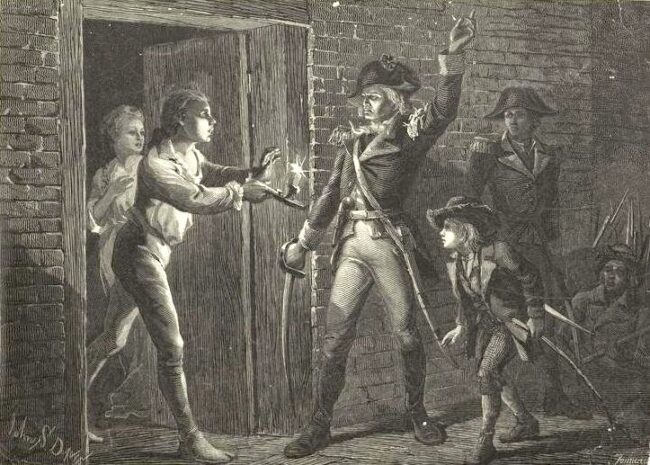
“In the name of the Great Jehovah and the Continental Congress!” – The 250th Anniversary of the First Victory of the Revolution at Fort Ticonderoga

On Wednesday, May 10, 1775, at about sunrise, Ethan Allen and Benedict Arnold pounded on the door of the British commander of Fort Ticonderoga. When opened, Allen demanded that the fort be surrendered. When asked by what authority, Allen responded, “In the name of the Great Jehovah and the Continental Congress!” The British at Fort…

Peninsular Campaign

The 150th Anniversary of Taps

The year was 1862. The bloody seven-day battle at Harrison Landing, also called the Peninsular Campaign in Virginia, had just concluded. General Daniel Butterfield had lost 600 men and was wounded himself. He thought that the traditional bugle call to mark the end of the day, known as “Lights Out,” was too formal and not…

Alamo

“Remember the Alamo!”

Battles inspire us when we rehearse the ideas worthing dying for. Texas was initially owned by Spain, but as George McAlister writes, “Three major independent factors changed the destiny of Texas.” They were U.S. independence from Britain in 1781, U.S. acquisition of the Louisiana Territory from France in 1803, and the independence of Mexico from…

James Monroe

The 200th Anniversary of the Monroe Doctrine and the Turning Point of American Foreign Policy

On December 2, 1823, the Monroe Doctrine was proclaimed by President Monroe. It was the culmination of key ideas drawn from the Bible and articulated in the Reformation. Three words came to define the foreign policy of America and the application of the Monroe Doctrine: independence (rejecting interdependence), neutrality (rejecting intermeddling), and interposition (rejecting interventionism.)…